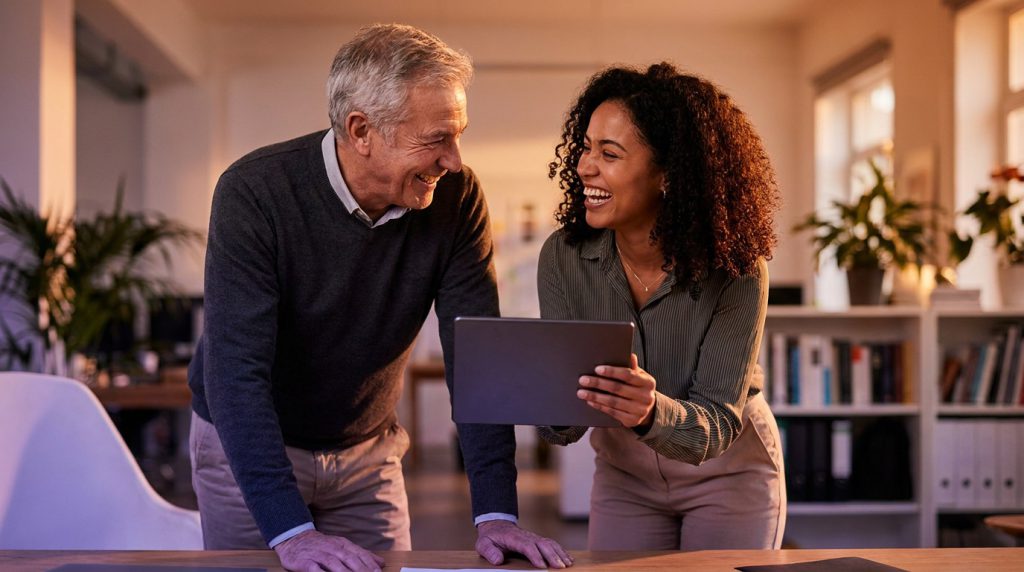
Generational diversity refers to the differences in attitudes, beliefs, and behaviors between people from different age groups. The workplace is increasingly becoming multigenerational, with Baby Boomers, Generation X, Millennials, and Generation Z all working together. Technology is playing a major role in bridging the generational gap in the workplace.
Managing generational diversity in the workplace requires awareness, empathy, and open communication. By recognizing and valuing the unique strengths and perspectives of each generation, organizations can create a more collaborative and productive work environment.
The following are some ways in which technology has contributed to generational diversity at work:
Communication: Technology has made communication easier and faster than ever before. This has helped to bridge the gap between generations who may have different communication preferences. For example, Baby Boomers may prefer face-to-face communication or phone calls, while Millennials and Gen Z prefer to communicate via text or instant messaging apps. Technology allows for both types of communication to happen seamlessly. For example; Baby Boomers can avail of Video conferencing platforms like Zoom and Skype while Millennials and Gen Z can use instant messaging apps like WhatsApp, Facebook Messenger, and iMessage allowing them to stay connected regardless of their location. This encourages cross-generational communication and teamwork.
Collaboration: Technology has also made collaboration easier. Cloud-based platforms allow teams to work together on projects in real time, regardless of their physical location. This has helped to break down barriers between generations who may have different work styles. Cloud-based collaboration tools also offer enhanced security features, such as password protection and multi-factor authentication. This is especially important for Baby Boomers, who may be more concerned about data privacy and security. Millennials and Gen Z, on the other hand, may prefer to work remotely and collaborate using digital tools. Cloud-based collaboration tools allow both groups to work together seamlessly, regardless of their work style preferences.
Training & Development: Technology has made learning more accessible and personalized. Online courses and training courses can be accessed from anywhere and at any time, allowing employees to learn at their own pace. This benefits both younger and older employees, as it allows them to learn in a way that suits their individual needs and develops their skills and knowledge.
Knowledge-Sharing Platforms: A knowledge-sharing platform like a wiki or an internal social network helps employees share their expertise and best practices with one another. This platform can help foster a culture of continuous learning and development.
Work-Life Balance: Technology has enabled greater flexibility in the workplace, allowing employees to work from home or on the go. This has helped to improve work-life balance for employees of all ages, particularly for younger generations who place a high value on work-life balance.
Flexible Work Arrangements: Flexible work arrangements, such as remote work, can accommodate different generations’ work styles and preferences. Video conferencing software enables virtual meetings, which can be convenient for employees who prefer to work from home or have other obligations.
Mentorship Programs: A mentorship program can be established that pairs employees of different generations, allowing them to learn from one another’s experiences and perspectives. The use of virtual mentorship tools like video conferencing platforms, online learning platforms, career development platforms, social media platforms, and mentorship apps facilitates communication and establishes a strong relationship between the mentor and mentee.
Overall, technology has had a significant impact on generational diversity in the workplace. While there are both positive and negative impacts, it is clear that technology has helped to bridge the gap between generations and has enabled greater collaboration, communication, learning, and work-life balance. As technology continues to evolve, it will be important for organizations to continue to adapt and embrace new technologies to ensure that they are able to effectively manage a multigenerational workforce.